

Common AV Mistakes Event Planners Make — and How to Avoid Them
Overlooking Venue Limitations
Every venue has technical limitations that can affect the event design. Power availability, rigging points, ceiling height, loading dock access, room dimensions, and sightlines can all influence what is possible within a space.
One of the biggest mistakes planners make is assuming the room can support the preferred setup without confirming the technical details first. A venue may look right on paper, but the production requirements still need to be reviewed before the event plan is finalized.
Planning Tip:
Bring your AV partner into the venue conversation early so they can help review power, rigging, access, and room layout requirements before they become last-minute issues.

Waiting Too Long to Involve the AV Team
AV should not be treated as a final checklist item. When the production team is brought in after the agenda, layout, and venue details are already locked, they have less flexibility to recommend better solutions.
Early involvement allows your AV partner to support room planning, technical design, labor scheduling, equipment selection, and show flow. It also helps identify where expectations and logistics may not be aligned.
Planning Tip:
Involve your AV partner during the planning phase, especially for conferences, general sessions, hybrid programs, executive meetings, or events with multiple rooms.

Underestimating Load-In, Setup, and Rehearsal Time
A polished event requires time to load in, build, cable, test, adjust, and rehearse. One of the most common mistakes is building a schedule that leaves too little room for technical setup.
Compressed timelines create pressure for crews, limit testing time, and increase the chance of problems being discovered too close to doors opening. A realistic production schedule protects the event from avoidable stress.
Planning Tip:
Build your timeline around setup, system testing, presenter checks, rehearsals, and room turnover needs — not just the event start time.
Most AV Issues Are Easier To Prevent Than Fix On Show Day
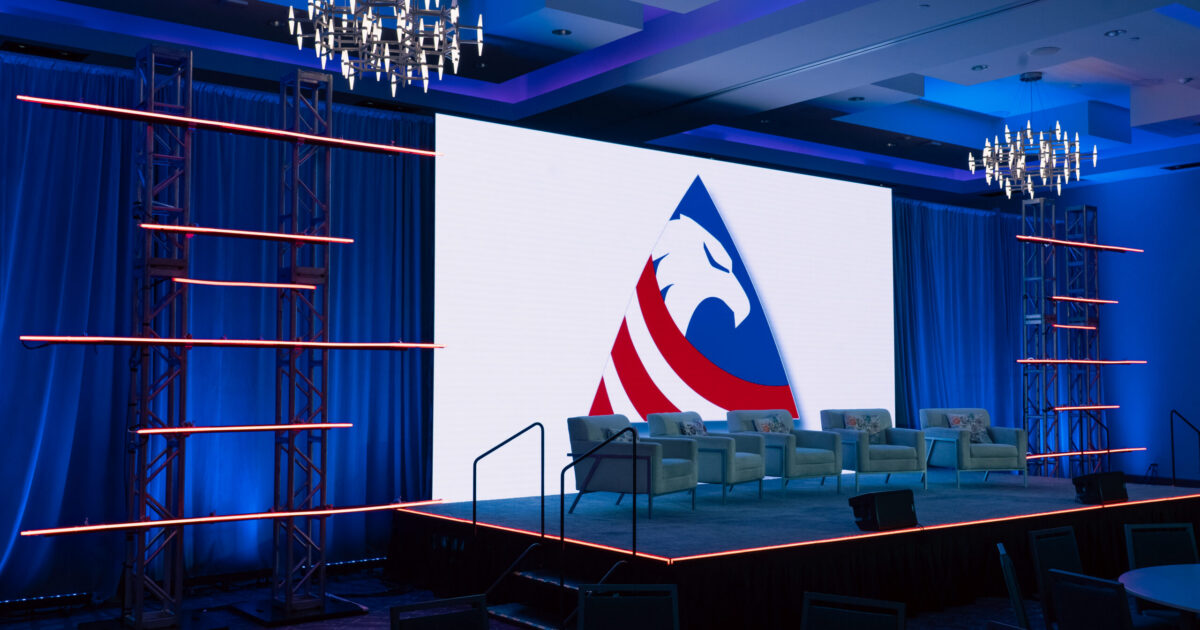
On-Site Load-In & System Testing
Load-in is where planning meets execution. Our team installs, configures, and tests each system to ensure everything is performing as intended within the live environment.
Audio levels are tuned, video systems are calibrated, lighting is adjusted, and all technical elements are tested together — not in isolation. This ensures that the full system works cohesively before the event begins.

Relying Too Heavily on Basic Venue Packages
In-house AV packages can be convenient, but they are not always the best fit for every event. Some packages are built around basic room support rather than the specific goals, complexity, or production quality your event requires.
This does not mean in-house AV is always wrong. It means planners should understand what is included, what is limited, and whether the package gives the event enough flexibility.
Planning Tip:
Request a detailed AV breakdown and compare it against the actual needs of the event, including labor, equipment, support time, and production expectations.

Forgetting About Backup Equipment and Contingency Planning
Even with strong preparation, live events need contingency plans. Microphones, cables, displays, playback systems, and computers all play critical roles in the event experience. If one piece fails and there is no backup plan, the issue can quickly become visible to the audience.
A strong AV partner plans for reliability, but also prepares for the unexpected. Backup equipment and clear contingency planning help keep the event moving even when something changes.
Planning Tip:
Ask which systems have backups, what critical equipment is covered, and how the team handles technical issues during the event.